Your guide to a successful door upgrade: materials, costs, and design tips
Every little thing You Need to Know About Picking the Perfect Door for Any Type Of Space
Choosing the best door for any kind of area needs cautious consideration of numerous aspects. Various door types offer distinctive functions, while products can affect both longevity and aesthetics. Measurements play a vital role in capability. Security functions can not be overlooked. As one browses the complexities of design and upkeep, the choices can feel overwhelming. Recognizing these elements is vital for making a notified choice that stabilizes functionality snappy. What key elements will become most substantial?
Comprehending Different Door Types
When selecting a door, it is vital to understand the various types available, as each offers a distinctive function and visual. One of the most typical types consist of copyrightd, sliding, bi-fold, and pocket doors. copyrightd doors, which swing open on a set of copyrights, are ideal and functional for both exterior and interior usage. Sliding doors, commonly used for outdoor patios, conserve space and provide a smooth shift between inside your home and outdoors. Bi-fold doors include several panels that fold up to one side, making them perfect for vast openings and maximizing all-natural light. Pocket doors move right into the wall, supplying a covert option that is best for little rooms. Each door kind not just adds to performance but additionally enhances the general style of a room, permitting home owners to pick a design that complements their individual taste and building vision. Understanding these choices is important for making an educated choice.
Checking out Materials and Their Benefits
Selecting the ideal door product can substantially influence both performance and aesthetic appeals. Numerous materials use unique benefits, making it necessary to review the certain requirements of a space. Timber doors, for instance, are treasured for their all-natural beauty and insulation residential or commercial properties. They can be personalized to fit any type of design style, yet call for routine maintenance to avoid bending and damage.
Metal doors, specifically steel, supply boosted protection and resilience, making them perfect for outside applications. They are immune to weather and pests, however might do not have the heat of timber. Fiberglass doors integrate the finest of both globes, providing resilience with the look of wood, while additionally being energy-efficient.
Ultimately, glass doors can create a sense of visibility and allow natural light to stream into an area. Nevertheless, they might need extra personal privacy services. Comprehending these materials allows informed choices that align with both useful requirements and visual preferences.
Size Issues: Selecting the Right Capacities
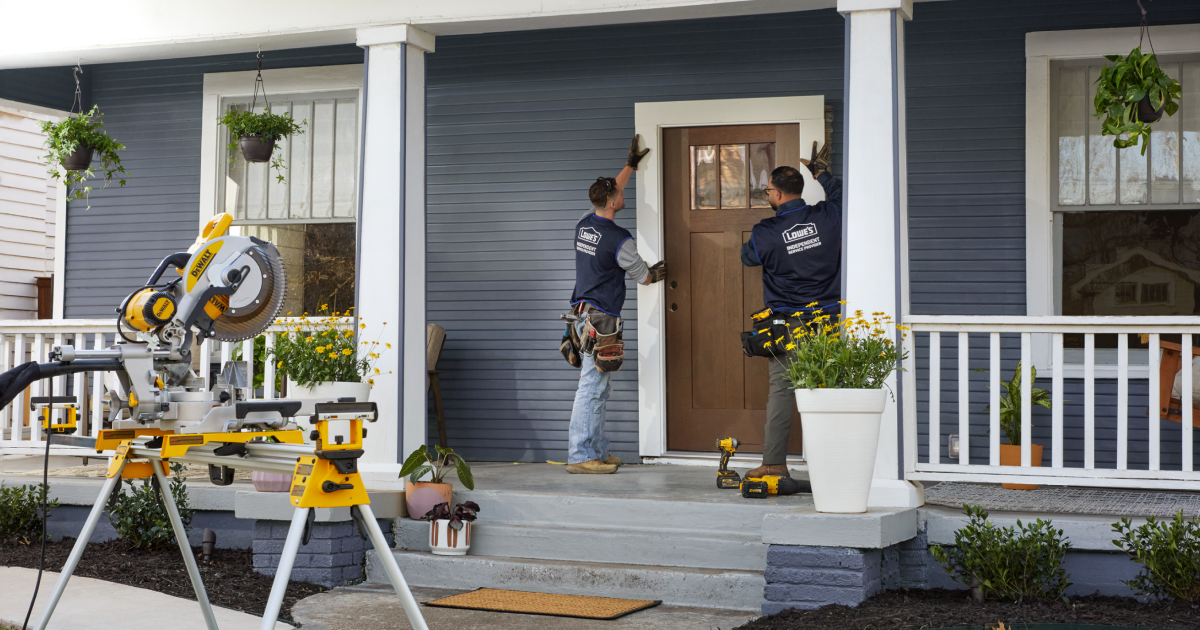
When choosing a door, understanding the appropriate dimensions is crucial. Common door sizes offer a helpful beginning point, however precisely determining one's room assures a proper fit (entry door replacement). Additionally, factors to consider for custom-made measurements might emerge, especially in one-of-a-kind architectural setups
Typical Door Sizes
The dimensions of doors play an essential role in both performance and appearance within a room. Conventional door dimensions vary based on the type of door and its desired usage. One of the most typical indoor door dimensions are 24, 28, 30, 32, and 36 inches in width, with heights typically at 80 inches. Outside doors often tend to be larger, usually measuring 36 inches, supplying simpler accessibility. In addition, some common dimensions might fit details needs, such as dual doors or pocket doors, which can boost layout flexibility. It is necessary to consider these standard measurements when selecting a door, as they ensure compatibility with existing frames and supply a well balanced visual effect, inevitably adding to the total design of the area.
Determining Your Room
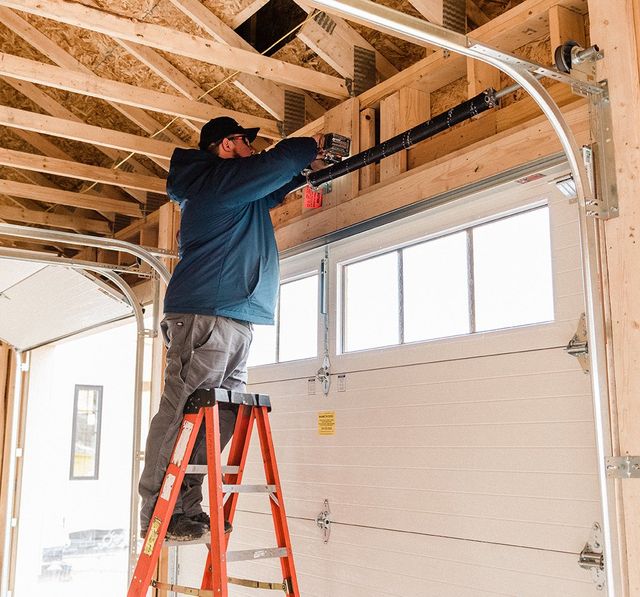
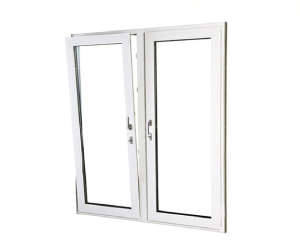
Accurate dimensions are vital for guaranteeing that a new door fits effortlessly within a designated opening. To start, one must measure the size and height of the door structure, making note of any abnormalities in the structure. It is a good idea to measure at several points to represent variants, specifically in older homes. The conventional door size is normally 30, 32, or 36 inches, while the height typically gauges 80 inches; however, it is vital to verify these dimensions versus the details opening. Furthermore, consider the swing instructions of the door and any type of possible obstructions in the surrounding location. Correct measurements enable a smoother installment process and enhance the general functionality of the door within the area.
Custom-made Capacities Considerations
Custom-made dimensions play a vital function in making certain that a door not just fits perfectly however likewise matches the general layout of a space. doors supplier. When selecting a door, it is crucial to think about the unique dimensions of the door structure, along with any building features close by. Custom-sized doors enable a seamless integration right into various designs, whether conventional, modern, or rustic. In addition, they can enhance performance, offering ample clearance and access. Homeowners must likewise consider the door's density and material, as these components can influence insulation and resilience. Eventually, buying personalized dimensions Get More Information results in a customized solution that elevates the aesthetic appeal and usefulness of any space, creating a cohesive environment
Enhancing Safety And Security Features
While house owners prioritize aesthetic appeal when selecting a door, improving safety and security functions continues to be a vital factor to consider. An appropriate door not just enhances the home's layout but additionally functions as a very first line of defense versus intrusions. The product plays a substantial function; solid timber or steel doors usually offer remarkable strength contrasted to hollow-core options.
Along with product, home owners ought to consider the door's locking systems. Multi-point securing systems offer boosted safety by involving at several points along the structure, making break-in extra difficult. Strengthened structures and strike plates can additionally strengthen door protection.
Furthermore, the installation of clever locks supplies benefit and sophisticated protection features, such as remote surveillance and keyless entrance. Homeowners ought to likewise examine door thresholds and weather condition removing, as these can protect against unauthorized gain access to and enhance energy efficiency. Ultimately, incorporating durable protection attributes assurances comfort without compromising the door's total functionality.
Aesthetic Considerations: Style and Design
A door's style and design substantially affect a home's total visual, as it acts as both an entrance and a visual focal factor. Picking the right door includes reviewing different design components that mirror the house owner's preference and the building style of the home. Contemporary homes may profit from sleek, minimal doors including glass panels, while standard designs might welcome ornate wood layouts with elaborate carvings.
Shade and coating likewise play significant functions in improving aesthetic appeal; strong tones can make a declaration, while soft tones typically mix sympathetically with the surrounding setting. Furthermore, hardware selection-- such as pivots and manages-- should complement the door's style to develop a cohesive appearance.
Inevitably, an attentively picked door not just boosts curb appeal but likewise establishes the tone for the interior space, making it important to mirror on aesthetic variables during the selection procedure.
Upkeep and Sturdiness Elements
When picking a upkeep, toughness and door are vital considerations that influence its long-lasting performance. A review of material alternatives reveals varying levels of maintenance and durability, while useful maintenance suggestions can expand the door's life expectancy. In addition, assessing climate resistance is important for ensuring that the door stands up to environmental elements successfully.
Product Contrast Summary
Picking the best door product is important for home owners looking for toughness and low upkeep. Numerous materials supply distinct benefits. Steel doors, for example, supply outstanding resistance to tear and use, making them ideal for high-traffic areas. Fiberglass doors are one more solid option; they withstand dampness and are less susceptible to dents and scratches. Timber doors, that site while cosmetically pleasing, call for even more upkeep as a result of susceptibility to warping and decay. Plastic doors provide an affordable solution with minimal upkeep, though they might not provide the same durability as metal or fiberglass alternatives. Ultimately, the selection of material influences not just the door's life expectancy but likewise the amount of upkeep needed, affecting overall home owner fulfillment.
Maintenance Tips for Durability
Regular maintenance plays an important duty in extending the life expectancy of doors, no matter the material selected. Home owners must consistently inspect doors for any type of indications of damages, such as cracks or warping. For wooden doors, routine sanding and refinishing can avoid damage and maintain aesthetic charm. Metal doors profit from a clean, rust-free surface, which can be achieved with regular cleansing and the application of protective layers. copyrights and locks need lubrication to ensure smooth operation, reducing wear and tear. Additionally, making sure that door frames are appropriately lined up can stop unnecessary anxiety on the door itself. By adhering to these maintenance methods, people can markedly improve the sturdiness and performance of their doors, ultimately adding to lasting value.
Weather Resistance Factors To Consider
Although weather condition you could check here resistance is frequently forgotten, it is an essential consider the option and upkeep of doors. Appropriate weather-resistant doors can greatly enhance a home's energy efficiency and shield versus wetness, wind, and temperature fluctuations. Materials such as fiberglass and steel provide remarkable toughness compared to wood, which may warp or rot in time. Additionally, the top quality of seals and weather condition stripping plays a crucial function in stopping drafts and water seepage. Normal evaluations and maintenance can further expand a door's life-span, guaranteeing it remains functional and visually attractive. House owners need to prioritize weather condition resistance to alleviate possible damages and reduce long-lasting repair service prices, inevitably contributing to an extra lasting living setting.
Frequently Asked Concerns
Exactly how Do I Know if I Need a Custom-Sized Door?
To determine if a custom-sized door is required, one need to gauge the existing door frame and assess any abnormalities or unique building functions. If conventional dimensions do not fit, custom-made options come to be needed for proper installment.
What Are the very best Door Options for Soundproofing?
The very best door options for soundproofing include solid timber doors, fiberglass doors with sound-dampening cores, and specifically designed acoustic doors. These products efficiently lower noise transmission, boosting personal privacy and comfort in various atmospheres.
Can I Set Up a Door Myself, or Should I Hire an Expert?
He can mount a door himself if he possesses the necessary skills and tools. Employing an expert may guarantee a higher high quality setup, specifically for complicated or heavy doors requiring precise measurements and alignment.
What Are the Ordinary Expenses Connected With Various Door Kinds?
Average expenses for doors vary substantially; interior doors range from $50 to $500, outside doors from $200 to $2,000, and specialized doors can surpass $5,000. Material, design, and installation influence general pricing.
Exactly How Can I Improve Power Effectiveness With My Door Selection?
Picking protected doors with climate stripping and energy-efficient glazing greatly boosts energy performance. Furthermore, picking solid materials over hollow options lowers air leakage, adding to far better temperature level guideline and lower power expenses in any kind of area.
Basic door dimensions differ based on the type of door and its desired usage. When picking a door, it is vital to take into account the distinct dimensions of the door structure, as well as any type of building attributes nearby. In addition, making sure that door frames are appropriately aligned can avoid unnecessary stress on the door itself. The best door options for soundproofing consist of solid wood doors, fiberglass doors with sound-dampening cores, and specifically developed acoustic doors. Average expenses for doors differ significantly; interior doors range from $50 to $500, outside doors from $200 to $2,000, and specialty doors can go beyond $5,000.